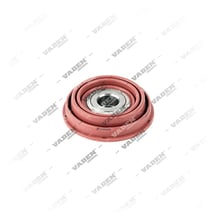
What is a Brake Caliper Mechanism?
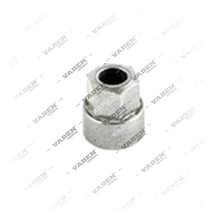
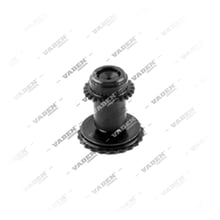
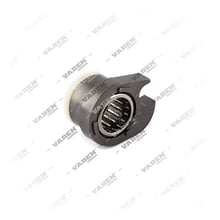
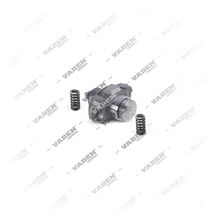
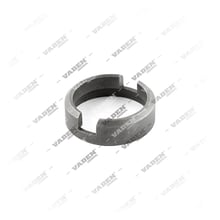
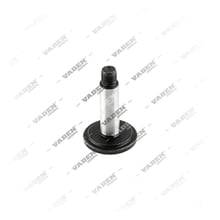
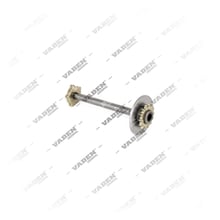
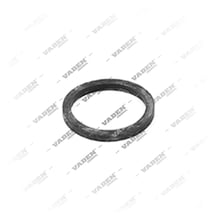
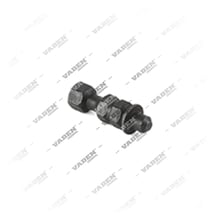
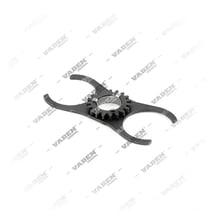
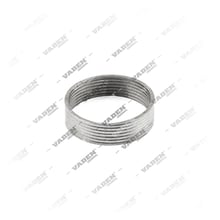
The brake caliper mechanism is a critical component in disc brake systems that transmits braking force to the brake pads, pressing them against the brake disc. Located inside the air disc brake caliper, this mechanism uses an adjuster shaft, tappets (pusher pins), bridge, and gear transmission elements to distribute braking force and automatically adjust the pad-to-disc clearance as pads wear. Engineered for safe, effective stopping during heavy braking events, the caliper mechanism is essential for the high performance and safety demands of commercial vehicles.
Functions of the Brake Caliper Mechanism
- Actuating the Brake Pads: Pushes pads against the disc surface, creating friction and bringing the vehicle to a stop.
- Ensuring Even Braking: Maintains balanced, uniform pad contact with the disc for consistent braking performance.
- Maximizing Braking Force: Delivers high hydraulic and pneumatic pressure for responsive, powerful deceleration.
- Automatic Clearance Adjustment: The integrated adjuster system compensates for pad wear by maintaining a constant pad-to-disc gap.
- Reducing Component Wear: Balanced operation extends the life of brake pads and related components.
Technical Specifications
| Specification | Details |
|---|
| Product Category | Brake Caliper Mechanism (Caliper Mechanism) |
| Parent System | Air Disc Brake Caliper |
| Application | Heavy commercial trucks, tractors, buses, trailers |
| Mechanism Types | Fixed, sliding, and electronically controlled caliper mechanisms |
| Adjustment System | Automatic pad clearance adjuster (adjuster) |
| Material | High-strength steel and advanced alloys |
| Compatible Manufacturers | Mercedes-Benz, MAN, Scania, Volvo, DAF, Iveco, Renault, BMC, Ford; Wabco and Knorr-Bremse caliper systems |
| Standard | OEM (Original Equipment Manufacturer) compliant |
Types of Caliper Mechanisms and Sub-Components
- Fixed Caliper Mechanism: Secured mounting points provide stable, non-moving operation with superior braking stability.
- Sliding Caliper Mechanism: Mobile design ensures equal pad pressure and disc contact during braking cycles.
- Electronically Controlled Mechanism: Advanced electronic systems enable precision control and are standard in modern vehicles.
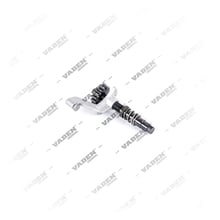
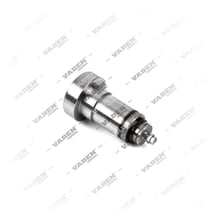
- Adjuster Mechanism: Automatically compensates for pad wear by maintaining the correct pad-to-disc spacing.
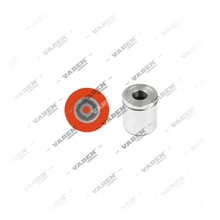
- Tappet and Bridge Assembly: Dynamic components that transfer braking force from pistons to the brake pads.
Maintenance of the Brake Caliper Mechanism
- Routine Inspections: Perform regular checks to ensure smooth operation and detect wear early.
- Lubrication: Apply appropriate grease to moving parts to reduce friction and prevent seizing.
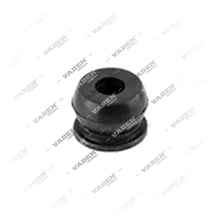
- Dust Boot Inspection: Check adjuster shaft and tappet bellows for tears, cracks, or contamination.
- OEM Parts Priority: VADEN ORIGINAL parts guarantee reliable braking performance and safety.
- Professional Installation: Caliper mechanism assembly and replacement should only be performed by qualified technicians.
Common Caliper Mechanism Faults and Solutions
- Brake Performance Loss: Uneven pad contact or reduced stopping power; check mechanism clearance and pad wear.
- Caliper Sticking or Seizure: Frozen mechanism prevents smooth operation and causes pad drag; clean or replace adjuster and tappets.
- Brake Noise and Vibration: Squealing or pulsing during braking indicates misalignment or excessive clearance; inspect pad contact.
- Uneven or Accelerated Wear: Irregular pad wear or mechanism damage requires replacement of the faulty assembly.
- Failed Automatic Adjustment: Loss of adjuster function increases stopping distance; replace the adjuster mechanism.
Why VADEN ORIGINAL?
- High-Strength Materials: Long-lasting, reliable performance engineered for demanding commercial use.
- OEM Standards: Manufacturing and quality control meet original equipment specifications.
- Broad Compatibility: Available for Mercedes-Benz, MAN, Scania, Volvo, DAF, Iveco, Renault and other major brands.
- Expert Support: Professional guidance on part selection and installation to ensure correct fitment.
Frequently Asked Questions (FAQ)
What does a brake caliper mechanism do?
The brake caliper mechanism transmits braking force to press pads against the brake disc, ensuring even contact and safe stopping. It includes an automatic adjuster that maintains the correct pad-to-disc clearance as pads wear over time.
How do I know if my caliper mechanism is faulty?
Signs of failure include brake noise or vibration during braking, uneven pad wear, the brake pedal feeling soft or ineffective, caliper sticking or seizing, and the vehicle pulling to one side when braking. These symptoms require immediate inspection.
Can a caliper mechanism be repaired with a repair kit?
Worn components such as the adjuster shaft, tappets, and bellows can be replaced using an appropriate caliper repair kit. However, if the main housing or internal gears are severely damaged, the complete mechanism assembly must be replaced.
What is the difference between fixed and sliding caliper mechanisms?
A fixed caliper mechanism is secured at stable mounting points, remaining stationary for superior braking stability. A sliding (floating) caliper mechanism uses a movable structure that ensures equal pad pressure and disc contact during braking cycles.
Which vehicles and brake systems are compatible with VADEN ORIGINAL caliper mechanisms?
VADEN ORIGINAL offers caliper mechanisms for Mercedes-Benz, MAN, Scania, Volvo, DAF, Iveco, Renault, BMC, Ford, and vehicles equipped with Wabco or Knorr-Bremse brake systems. Always confirm OE part numbers for proper fitment.
Why is an original caliper mechanism important for brake safety?
The caliper mechanism directly controls braking performance. OEM-standard parts like VADEN ORIGINAL ensure precise pad engagement, consistent stopping power, extended component life, and safe operation under heavy braking conditions.
Conclusion
The brake caliper mechanism is essential to the efficient and safe operation of air disc brake systems in commercial vehicles. VADEN ORIGINAL's durable, OEM-compliant mechanisms enhance braking safety and reliability while reducing maintenance costs. Regular servicing and the use of genuine replacement parts keep your braking system performing at peak efficiency.
Related technical guide: Brake Caliper Overhaul Kit: Guide Pins, Boots & Adjuster