What Is an EBS Relay Valve?
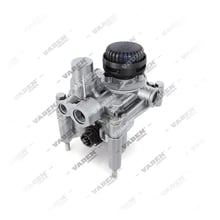
An EBS relay valve is the component within a heavy vehicle's Electronic Braking System (EBS) that distributes air pressure evenly across the brake circuit to deliver safe, balanced stops. When the driver presses the brake pedal, the electronic control unit sends a signal that the relay valve processes almost instantly, routing the correct amount of brake pressure to each axle. VADEN ORIGINAL EBS relay valves help shorten stopping distances on trucks, tractor units, buses and trailers, working seamlessly with ABS and other electronic braking systems to prevent wheel lock-up and keep the vehicle tracking straight.
Functions of the EBS Relay Valve
- Signal Processing: Detects the electronic brake command from the pedal instantly and relays it to the braking system.
- Pressure Distribution: Delivers the precise amount of brake pressure each axle needs, in real time.
- Fast Response: Reacts without delay the moment the brake pedal is applied, improving overall braking performance.
- ABS Compatibility: Works in tandem with ABS and other electronic braking systems to prevent wheel lock-up.
- Stability Support: Balanced pressure distribution helps keep the vehicle stable and prevents fishtailing under braking.
EBS Relay Valve Specifications
| Specification | Description |
|---|
| System Type | Electronic Braking System (EBS) component |
| Operating Principle | Electronic signal combined with pneumatic pressure control |
| Compatible Systems | ABS, EBS, electronic control unit (ECU) |
| Application | Trucks, tractor units, buses, trailers / semi-trailers |
| Build Quality | Durable housing engineered for heavy-duty operating conditions |
| Connection Type | Electrical connector plus pneumatic line ports |
| Manufacturer | VADEN ORIGINAL |
Vehicles That Use an EBS Relay Valve
- Trucks and Tractor Units: Fitted to heavy commercial vehicles from brands such as Mercedes-Benz, MAN, Scania, Volvo, DAF, Iveco, Renault and BMC.
- Buses: Used in EBS-equipped city and intercity buses for passenger transport.
- Trailers and Semi-Trailers: Balances brake pressure in trailer and semi-trailer braking systems.
- Wabco / Knorr-Bremse Compatible Systems: Can be used as an original-equivalent replacement in vehicles built on Wabco or Knorr-Bremse EBS architecture.
EBS Relay Valve Maintenance
- Regular Cleaning: Keeping the relay valve free of dust and debris keeps the pressure lines clear and functioning correctly.
- Sensor Checks: Inspect connected sensors periodically to confirm they're operating correctly.
- Electrical Connection Testing: Test electrical connections regularly for tightness and corrosion.
- Pressure Calibration Checks: Run periodic pressure tests to confirm brake pressure is being distributed correctly.
- Authorized Service Inspection: Have the valve inspected by a qualified technician at regular service intervals.
Common Faults and Fixes
- Delayed Response: A slow reaction to the brake command can point to a sensor or electrical connection fault; inspect and replace as needed.
- Uneven Brake Pressure: A pressure imbalance between axles can extend stopping distance; test the valve's pressure calibration.
- Unusual Noises: Hissing or knocking sounds from the valve can indicate an internal seal leak.
- Fault Code / Warning Light: If the EBS warning light comes on, have the valve and sensor connections checked by an authorized workshop.
- Air Leaks: Air leaks at connection points cause pressure loss; check seals and fittings for wear.
Why Choose a VADEN ORIGINAL EBS Relay Valve?
- Precise Pressure Control: Delivers balanced, accurate brake pressure to each axle for safe, predictable stops.
- Durable Construction: Built from long-lasting materials designed to withstand the demands of heavy-duty commercial operation.
- OEM-Compatible Design: Engineered to fit Mercedes-Benz, MAN, Scania, Volvo, DAF, Iveco, Renault and BMC vehicles, as well as Wabco and Knorr-Bremse EBS architectures.
- Easy Installation: Integrates directly into existing EBS braking systems, cutting installation time.
- Wide Product Range: Offers EBS relay valve options suited to a variety of vehicle and trailer models.
Frequently Asked Questions (FAQ)
What does an EBS relay valve do?
It processes signals from the Electronic Braking System and delivers the correct amount of air pressure to the brakes, keeping the vehicle balanced and safe during stops.
Which vehicles use an EBS relay valve?
It's standard on EBS-equipped heavy commercial vehicles, including trucks, tractor units, buses and trailers from manufacturers such as Mercedes-Benz, MAN, Scania, Volvo, DAF, Iveco, Renault and BMC.
What happens if the EBS relay valve fails?
You can see uneven brake pressure across axles, longer stopping distances, an illuminated EBS warning light, and reduced vehicle stability under braking.
How do you test an EBS relay valve?
Check the sensors, electrical connections and pressure calibration regularly, and inspect for air leaks or unusual noises coming from the valve.
What's the difference between an EBS relay valve and an ABS modulator valve?
The EBS relay valve manages overall brake pressure distribution for the electronic braking system, while the ABS modulator valve focuses specifically on preventing wheel lock-up. The two typically work together as an integrated system.
When should an EBS relay valve be replaced?
Replacement is recommended if you notice delayed response, uneven braking, air leaks, unusual noises, or an EBS fault code on the dashboard.
Conclusion
The EBS relay valve is a critical component that keeps heavy commercial vehicles braking safely and evenly, protecting drivers, cargo and everyone else on the road. Choose VADEN ORIGINAL EBS relay valves for dependable braking performance, and pair them with regular maintenance and genuine spare parts to keep your fleet running safely.
Related technical guide: EBS Modulator: Faults, Diagnosis, Replacement Guide