What Is an Exhaust Brake Valve?
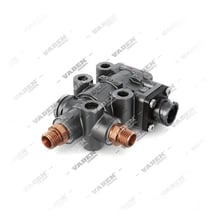
An exhaust brake valve is the control component that activates the engine brake (exhaust brake) system on heavy commercial vehicles. On downhill grades or whenever speed needs to be managed without touching the service brakes, it restricts the exhaust outlet, building up back-pressure in the engine so compression alone slows the vehicle. Fitted to trucks, buses, trailers, and construction equipment, the exhaust brake valve takes load off the standard braking system, cutting pad and disc wear, preventing brake overheating, and giving drivers safe, steady speed control on long descents. Most valves are air-operated (pneumatic) and mounted in the exhaust manifold outlet or the post-turbo exhaust line, opening and closing on a signal from the vehicle's electronic control unit or the driver's dash switch.
What Does an Exhaust Brake Valve Do?
- Restricts exhaust flow: Throttles the exhaust gas outlet to raise in-cylinder pressure, boosting the engine's braking force.
- Strengthens engine braking: Once exhaust flow is restricted, the engine uses its own compression to slow the vehicle without relying on the wheel brakes.
- Protects brake pads and discs: Takes load off the service brake system, slowing wear on pads and discs and extending their service life.
- Prevents brake overheating: Cuts down on continuous brake use during long descents, avoiding the heat buildup that causes brake fade.
- Enables safe downhill control: Stops heavy, fully loaded vehicles from gaining speed on grades, giving drivers controlled, predictable handling.
- Improves fuel economy: Fuel delivery is cut or minimized while the engine brake is engaged, supporting more economical driving.
Exhaust Brake Valve Specifications
| Specification | Description |
|---|
| Product name | Exhaust Brake Valve (also known as engine brake valve) |
| Application | Heavy-duty engine brake systems: trucks, buses, trailers, construction equipment |
| Main function | Restricts exhaust gas flow to engage engine compression braking |
| Operating principle | Typically pneumatic (air-actuated), opened/closed on command from the electronic control unit |
| Location | Exhaust manifold outlet or the exhaust line downstream of the turbocharger |
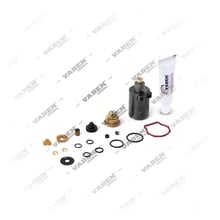
| Core components | Butterfly valve flap, pneumatic actuator, housing, seals, and mounting hardware |
| Compatible OE brands | Equivalent for Mercedes-Benz, MAN, Scania, Volvo, DAF, Iveco, Renault, BMC, Ford, Wabco, Knorr-Bremse |
| Quality standard | OE-grade manufacturing under the VADEN ORIGINAL standard |
Types of Exhaust Brake Valves and Related Components
- Pneumatic exhaust brake valve: Air-actuated design, the most common type fitted to heavy commercial vehicles.
- Electronically controlled exhaust brake valve: Managed directly by the vehicle's ECU, widely used on modern engines.
- Butterfly-flap valve: Uses a rotating flap inside the exhaust line to restrict gas flow.
- Engine brake switch and dash indicator: The in-cab control and indicator that let the driver engage or disengage the engine brake.
- Pneumatic actuator and air lines: The cylinder and connecting hoses that drive the valve's open/close movement.
Exhaust Brake Valve Maintenance
- Carbon deposit cleaning: Soot buildup from exhaust gases should be cleared out at regular intervals.
- Pneumatic system checks: Inspect regularly for air leaks and test hoses and fittings for tight connections.
- Wiring and sensor checks: On electronically controlled systems, test sensors and wiring connections on a routine schedule.
- Valve movement check: Confirm the flap moves freely and doesn't stick in the open or closed position.
- Seal and fitting inspection: Worn seals can cause air or exhaust leaks, so check them regularly.
- Use OE-quality replacement parts: Choosing OE-grade parts like VADEN ORIGINAL supports longer service life and dependable operation.
Common Faults and Fixes
- Valve stuck open or closed: If the exhaust brake valve sticks, the engine brake won't work properly; check for carbon buildup and worn mechanical parts, and replace the valve if needed.
- Reduced braking effect: If the valve isn't reaching full closure, the vehicle won't slow down enough; test the pneumatic system and valve movement.
- Unusual exhaust smoke: A faulty valve can disrupt normal exhaust flow; inspect the valve and its surrounding connections.
- Air pressure issues: Air leaks in pneumatic-actuated valves reduce braking force; check air lines and seal integrity.
- Noisy or rough operation: Wear in the valve mechanism or loose fittings can cause abnormal noise and vibration; tighten connections and replace worn parts.
- Engine brake switch not responding: On electronically controlled systems, a wiring or sensor fault can stop the switch signal from reaching the valve; test the electrical circuit.
Why Choose a VADEN ORIGINAL Exhaust Brake Valve?
- High durability: Manufactured from materials resistant to wear and high exhaust temperatures.
- Strong braking performance: Delivers maximum engine braking effect for safe downhill control and speed management.
- Long service life: Built to withstand heavy-duty operating conditions without issues over the long term.
- Fuel efficiency: Optimizes engine brake use to help lower overall fuel consumption.
- OE standards: Manufactured to original equipment quality standards for guaranteed reliability.
- Broad vehicle compatibility: Available for heavy commercial vehicles from Mercedes-Benz, MAN, Scania, Volvo, DAF, Iveco, Renault, BMC, and Ford.
Frequently Asked Questions (FAQ)
What does an exhaust brake valve do?
An exhaust brake valve restricts exhaust gas flow on heavy commercial vehicles so the engine slows the vehicle using its own compression force. This reduces reliance on the service brakes during downhill driving and speed control, helping prevent pad and disc wear.
Which vehicles use an exhaust brake valve?
It's used on heavy commercial vehicles equipped with engine brake systems, including trucks, buses, trailers, and construction equipment. It's common on heavy-duty models from Mercedes-Benz, MAN, Scania, Volvo, DAF, Iveco, Renault, BMC, and Ford.
How can you tell if an exhaust brake valve is failing?
Signs of a faulty exhaust brake valve include reduced engine braking effect, unusual exhaust smoke, the valve sticking open or closed, air pressure leaks, or the engine brake switch failing to respond.
How does an exhaust brake valve work?
Usually pneumatically actuated, the valve closes a flap in the exhaust line on a signal from the electronic control unit or the driver's switch. As exhaust flow is restricted, pressure builds inside the engine and compression alone slows the vehicle down.
How often should an exhaust brake valve be serviced?
Carbon buildup, pneumatic system leaks, and electronic connections should be checked at every routine service. Depending on usage and manufacturer guidance, valve movement and seal condition should be inspected at least once a year.
What are the benefits of using an exhaust brake valve?
It extends the life of brake pads and discs, prevents brake system overheating, improves fuel economy, helps protect engine life, and gives drivers safer control on long downhill descents.
Conclusion
The exhaust brake valve is an essential part of a heavy commercial vehicle's engine brake system, delivering safer braking while cutting brake wear and maintenance costs. By restricting exhaust flow to engage the engine's compression power, it also supports fuel savings and longer engine life. With regular maintenance, pneumatic system checks, and the right replacement parts, you can keep your engine brake system performing at its best. Strengthen your heavy-duty vehicle's braking system with OE-grade, durable, high-performance VADEN ORIGINAL exhaust brake valve solutions!