What Is an Exhaust Brake Flap?
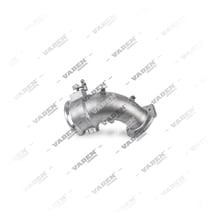
An exhaust brake flap is a key component of the engine (compression) braking system on heavy-duty trucks, mounted in the exhaust line between the manifold and the muffler, where it restricts the outflow of exhaust gas on demand. When the engine brake is activated, the flap closes, trapping back-pressure inside the engine and forcing it to work against its own compression to slow the vehicle down. This takes a huge amount of load off the service brakes, preventing overheating and premature wear on long grades or in stop-and-go traffic. Most exhaust brake flaps are actuated pneumatically by an air cylinder, though newer trucks use electronic or vacuum-controlled actuators tied into the engine management system.
What Does an Exhaust Brake Flap Do?
- Boosts engine braking power: Restricts exhaust outflow to raise cylinder back-pressure, sharply increasing the engine brake effect.
- Takes load off the service brakes: Reduces pad and disc wear caused by prolonged braking, protecting the entire foundation brake system.
- Improves fuel economy: Fuel injection drops to a minimum while the engine brake is engaged, cutting unnecessary fuel burn.
- Improves driving safety: Gives drivers better control and more consistent deceleration on downhill grades, especially with heavy loads.
- Prevents brake overheating: Reduces the heat build-up in discs and pads that comes from continuous braking, protecting stopping performance.
- Extends component life: Lowers mechanical stress on the service brake system, indirectly reducing overall maintenance costs.
Exhaust Brake Flap Technical Specifications
| Specification | Description |
|---|
| Part group | Engine / Exhaust brake system |
| Operating principle | Restricts exhaust gas outflow to raise in-cylinder back-pressure |
| Actuation type | Pneumatic (air-pressure) cylinder; electronic/vacuum-controlled on some models |
| Location | Exhaust line between the exhaust manifold and the muffler |
| Material | Heat- and wear-resistant metal alloy housing and flap disc |
| Application | Heavy-duty trucks, tractor units, buses, and trailer-towing engines |
| Compatible brands | Mercedes-Benz, MAN, Scania, Volvo, DAF, Iveco, Renault, BMC, Ford Trucks, and other heavy-duty OEMs |
Types of Exhaust Brake Flaps and Related Components
- Pneumatically actuated exhaust brake flap: Opened and closed by an air-pressure cylinder; the most common type on heavy-duty trucks.
- Electronically/sensor-controlled exhaust brake flap: Synchronized with signals from the engine control unit (ECU) and sensors on modern systems.
- Flap housing and valve disc: The main mechanical part that physically restricts exhaust gas flow.
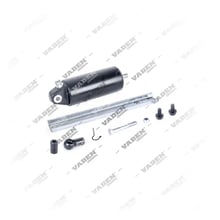
- Actuator (drive cylinder): The pneumatic or electro-pneumatic unit that opens and closes the flap.
- Gaskets and mounting hardware: Flanges, seals, and fasteners that keep the exhaust line airtight.
Exhaust Brake Flap Maintenance
- Clear carbon build-up: Soot and carbon deposits that restrict free flap movement should be cleaned out at regular service intervals.
- Check pneumatic connections: Test air lines and fittings periodically for leaks so the system operates at full pressure.
- Lubricate moving parts: Keeping the flap shaft and linkage properly lubricated reduces friction and premature wear.
- Test sensors and wiring: On electronically controlled systems, sensor faults can affect engine brake performance and should be checked regularly.
- Use genuine replacement parts: Choosing OEM-standard parts like VADEN ORIGINAL keeps the system running efficiently and reliably.
Common Faults and Solutions
- Flap sticks open or closed: If the flap fails to move, the engine brake can stay engaged continuously; usually caused by carbon build-up or a seized mechanism, prevented with regular cleaning.
- Reduced braking power: If the exhaust brake isn't working at full capacity, the vehicle is harder to slow down; resolved by checking the valve and actuator.
- Heavy smoke from the exhaust: Leaks or incorrect air pressure in the exhaust system can upset engine balance and cause visible smoke.
- Air leaks and low pressure: Since the exhaust brake typically runs on air pressure, leaks in the pneumatic line reduce braking effectiveness and should be checked for airtightness.
- Sensor-related faults: On electronically controlled systems, a faulty sensor can prevent the engine brake from engaging or cause it to misbehave.
Why Choose VADEN ORIGINAL Exhaust Brake Flaps?
- High durability: Manufactured from materials resistant to wear and high exhaust temperatures.
- Strong braking performance: Delivers maximum engine brake effect for safe deceleration even under heavy loads.
- Long service life: Built to run trouble-free with minimal risk of premature failure.
- Fuel efficiency: Supports effective use of the engine brake, helping reduce overall fuel consumption.
- Wide OEM-compatible range: Available for Mercedes-Benz, MAN, Scania, Volvo, DAF, Iveco, Renault and other heavy-duty brands.
Frequently Asked Questions (FAQ)
What is an exhaust brake flap and what does it do?
An exhaust brake flap is a valve in heavy-duty truck engines that restricts exhaust gas outflow to raise in-cylinder back-pressure, creating an engine braking effect. It reduces the load on the service brakes and helps the vehicle slow down safely.
What happens if the exhaust brake flap fails?
If the flap sticks closed, the engine brake can stay engaged continuously; if it fails to close, braking power drops. Other symptoms include heavy exhaust smoke and air leaks in the pneumatic system.
How does an exhaust brake flap work?
When the engine brake is activated, the flap closes and blocks the free flow of exhaust gas. This increases the engine's compression resistance, slowing the vehicle without relying on the wheel brakes. The system is usually actuated by air pressure (pneumatically) or electronically.
Which trucks use an exhaust brake flap?
It's widely used on heavy-duty trucks, tractor units, and buses from manufacturers such as Mercedes-Benz, MAN, Scania, Volvo, DAF, Iveco, Renault, BMC, and Ford Trucks.
How do you maintain an exhaust brake flap?
Carbon build-up on the flap should be cleaned regularly, pneumatic connections checked for air leaks, moving parts kept lubricated, and sensors on electronically controlled systems tested periodically.
What are the risks of using a non-genuine exhaust brake flap?
Low-quality or incompatible parts can cause inefficient operation, air leaks, premature failure, and reduced engine brake performance. Using OEM-standard parts like VADEN ORIGINAL is recommended to avoid these issues.
Conclusion
The exhaust brake flap is one of the core components of the engine braking system on heavy-duty vehicles, delivering safer deceleration, reduced brake wear, and better fuel economy all at once. Regular maintenance, careful checks of the pneumatic and electronic controls, and choosing genuine replacement parts are what keep engine brake performance reliable over the long term. VADEN ORIGINAL exhaust brake flaps offer a durable, OEM-compatible, and dependable solution for Mercedes-Benz, MAN, Scania, Volvo, DAF, Iveco, and Renault heavy-duty vehicles. Choose VADEN ORIGINAL exhaust brake flap parts to keep your engine braking system safe and efficient.
Related technical guide: Exhaust / Engine Brake: Faults, Replacement & Maintenance Guide