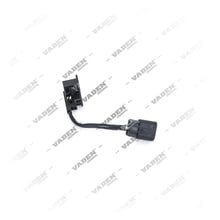
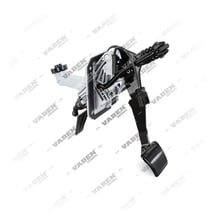
What Is a Hydraulic Clutch Pedal Unit?
A hydraulic clutch pedal unit is the component that converts the mechanical force applied to the clutch pedal into hydraulic pressure, engaging and disengaging the clutch system on heavy commercial vehicles. When the driver presses the pedal, hydraulic fluid inside the unit carries that pressure to the clutch release bearing and pressure plate, so power transfer between the engine and gearbox is interrupted and restored smoothly and under control. Compared with mechanical clutch systems, it requires less pedal effort, wears more slowly, and needs less long-term maintenance — which is why it's the preferred clutch spare part solution on modern heavy trucks, tractor units and buses.
What Does a Hydraulic Clutch Pedal Unit Do?
- Generates hydraulic pressure: Converts the mechanical force applied at the clutch pedal into hydraulic pressure that activates the system.
- Transmits clutch movement: Sends that pressure through the hydraulic fluid to the clutch release bearing and pressure plate, engaging the clutch.
- Improves pedal comfort: Needs far less pedal effort than a mechanical setup, reducing driver fatigue on long hauls.
- Supports precise gear changes: Delivers smoother, more gradual power transfer to the gearbox for cleaner, more predictable shifts.
- Adds system reliability: Reduces the risk of sudden cable snap or linkage jamming, keeping the clutch system operating safely.
Hydraulic Clutch Pedal Unit Technical Specifications
| Specification | Description |
|---|
| Working principle | Converts mechanical force into hydraulic pressure (Pascal's principle) |
| Main components | Pedal arm, hydraulic cylinder (master cylinder), hydraulic line, reservoir connection |
| Application | Clutch system on heavy-duty trucks, tractor units and buses |
| Vehicle compatibility | Mercedes-Benz, MAN, Scania, Volvo, DAF, Iveco, Renault, BMC and other heavy commercial vehicle models |
| Material construction | High-pressure and wear-resistant materials with reliable sealing |
| Maintenance requirement | Lower than mechanical systems; periodic fluid level and leak checks are sufficient |
Types of Hydraulic Clutch Pedal Units and Related Components
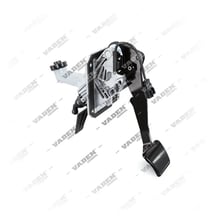
- Pedal-mounted master cylinder unit: A hydraulic master cylinder integrated directly into the pedal arm, generating pressure at the very start of the system.
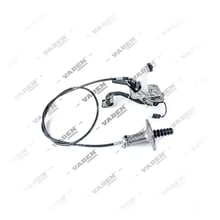
- Remote hydraulic line unit: The master cylinder sits separately from the pedal unit, connected via hose or hard line.
- Reservoir-fed systems: Hydraulic fluid is supplied from a separate reservoir, making fluid level checks simple and accessible.
- Seal and fitting kits: Sealing gaskets, pins and connecting hardware used alongside the pedal unit for a leak-tight assembly.
Hydraulic Clutch Pedal Unit Maintenance
- Check hydraulic fluid level: Regular fluid level checks prevent low fluid from causing a stiff or unresponsive pedal.
- Inspect hoses and fittings: Hydraulic lines and connection points should be checked regularly for leaks.
- Bleed the system: Air trapped in the line should be bled out periodically to prevent pressure loss and a spongy pedal.
- Schedule professional inspections: Regular checks at an authorized workshop help catch developing faults before they become major failures.
- Use genuine spare parts: Fitting trusted brands like VADEN ORIGINAL during maintenance and replacement extends system life.
Common Faults and How to Fix Them
- Hydraulic fluid leaks: A fluid leak in the system prevents the clutch from operating correctly; hoses and seal connections should be inspected and replaced if necessary.
- Stiff or overly soft pedal feel: Usually caused by low hydraulic fluid or trapped air in the system; top up the fluid and bleed the line.
- Loss of hydraulic pressure: Can result from trapped air or micro-leaks; locate the leak source and bleed the system.
- Clutch not fully engaging: May be caused by insufficient hydraulic pressure or worn pedal unit components; have the unit inspected and replaced if needed.
Why Choose a VADEN ORIGINAL Hydraulic Clutch Pedal Unit?
- High durability: Purpose-built to withstand the demanding, high-mileage duty cycles of heavy commercial vehicles.
- Precise, comfortable driving feel: Gives the clutch pedal a smoother action for a more comfortable drive.
- Broad vehicle coverage: Fits heavy-duty models from Mercedes-Benz, MAN, Scania, Volvo, DAF, Iveco, Renault and BMC.
- Straightforward installation: OEM-matching design allows fast, trouble-free fitting at authorized workshops.
- Reliable spare parts warranty: Manufactured to strict quality standards and backed by warranty coverage for long-term peace of mind.
Frequently Asked Questions (FAQ)
What does a hydraulic clutch pedal unit do?
It converts the force the driver applies to the clutch pedal into hydraulic pressure and sends that pressure to the clutch release bearing, smoothly engaging and disengaging the connection between the engine and gearbox.
Why choose a hydraulic clutch system over a mechanical one?
It needs less pedal effort, gives more precise gear shifts, wears more slowly, and requires less maintenance than mechanical cable or linkage clutch systems.
What should I do if the hydraulic clutch pedal feels stiff?
A stiff pedal is usually caused by low hydraulic fluid or trapped air in the system; check the fluid level and bleed the line if needed.
What are the signs of a hydraulic clutch pedal unit leaking?
A pedal that gradually feels softer, a clutch that won't fully engage, and visible fluid traces around the unit are the most common signs of a leak; inspect the lines and seal connections in that case.
Which vehicles fit a VADEN ORIGINAL hydraulic clutch pedal unit?
A wide range is available for heavy-duty trucks, tractor units and buses from Mercedes-Benz, MAN, Scania, Volvo, DAF, Iveco, Renault and BMC.
How often should a hydraulic clutch pedal unit be inspected?
Check the hydraulic fluid level and line connections at every scheduled service, and have the unit inspected by an authorized workshop whenever you notice a change in pedal feel.
Conclusion
The hydraulic clutch pedal unit is a critical spare part that keeps the clutch system on heavy commercial vehicles operating precisely, comfortably and safely. Regular fluid checks, leak inspections and scheduled professional maintenance extend the unit's service life and prevent unexpected failures. VADEN ORIGINAL offers a durable, reliable range of hydraulic clutch pedal units for heavy-duty models from Mercedes-Benz, MAN, Scania, Volvo, DAF, Iveco, Renault and BMC, giving fleet owners and workshops a dependable spare parts solution. If you're looking for an OE-quality hydraulic clutch pedal unit for your vehicle, explore the full VADEN ORIGINAL range at vadenoriginal.com.