What Is an Oil Pressure Control Valve?
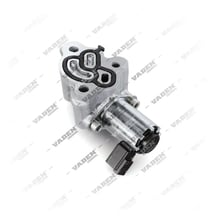
An oil pressure control valve is a lubrication-system component that keeps engine oil circulating at the pressure the manufacturer specifies. In heavy-duty truck and bus engines, it regulates the flow coming from the oil pump, bleeding off excess pressure before it can damage gaskets and seals, while also preventing the drop in pressure that leaves crankshafts, camshafts, and pistons under-lubricated. A properly functioning valve reduces wear, helps optimize fuel consumption, and extends engine service life. When this valve fails, the engine can overheat, oil leaks can develop, and critical parts such as the crankshaft, camshaft, and piston rings can suffer lasting damage. Found on trucks, tractor units, buses, and heavy machinery running Mercedes-Benz, MAN, Scania, Volvo, DAF, Iveco, Renault, BMC, and Ford engines, this valve is essential to a reliable lubrication system.
What Does an Oil Pressure Control Valve Do?
- Regulates oil pressure: Keeps engine oil circulating at the target pressure so the lubrication system stays balanced under changing loads.
- Prevents pressure spikes: Bleeds off excess pressure before it damages gaskets and seals, cutting the risk of oil leaks.
- Supports the lubrication system: Reduces friction between moving engine parts, limiting wear and extending engine life.
- Guards against low pressure: Prevents insufficient oil pressure from wearing down the crankshaft, camshaft, and bearings.
- Improves fuel efficiency: Keeps oil circulation efficient, cutting friction losses and helping optimize fuel consumption.
- Holds steady under heavy load: Maintains stable oil pressure even at high temperatures and under sustained heavy load.
Oil Pressure Control Valve Specifications
| Specification | Description |
|---|
| Part name | Oil pressure control valve / oil pressure regulator valve |
| System | Heavy commercial vehicle engine lubrication system |
| Main function | Regulates engine oil pressure, protecting the engine from both high and low pressure |
| Location | Oil pump outlet or main oil gallery line |
| Compatible vehicles | Mercedes-Benz, MAN, Scania, Volvo, DAF, Iveco, Renault, BMC, Ford heavy commercial vehicles |
| Application | Truck, tractor unit, bus, and heavy machinery diesel engines |
| Housing | Material rated for high temperature and pressure resistance |
Types of Oil Pressure Control Valves
- Spring-loaded (mechanical) valve: The classic design; when spring tension is overcome by excess pressure, it diverts part of the oil flow back to the sump or intake line.
- Ball-type relief valve: Uses an internal ball-and-spring mechanism that opens under excess pressure to protect the system, then closes automatically once pressure normalizes.
- Adjustable pressure valve: Pressure setting can be tuned to the engine, allowing the same valve family to suit different engine models.
- Pump-integrated valve: A compact control valve built directly into the oil pump housing.
Maintaining the Oil Pressure Control Valve
- Stick to oil and filter change intervals: Changing engine oil and the oil filter on schedule keeps debris from clogging or fouling the valve.
- Monitor oil pressure readings: Watch the dashboard oil pressure gauge regularly and inspect the valve if you see an abnormal drop or spike.
- Check for leaks: Inspect the gasket and connections around the valve periodically for signs of oil seepage.
- Watch for clogging: Sludge and carbon deposits can jam the valve's moving parts, so periodic cleaning is recommended.
- Schedule professional service: Have the valve inspected and, if needed, replaced by an authorized workshop at the intervals the vehicle manufacturer specifies.
Common Oil Pressure Control Valve Problems and Fixes
- Persistently low oil pressure: A clogged valve or a weakened spring causes chronic low pressure; inspect the valve and replace it if necessary.
- Excessive oil pressure: If the valve fails to open, pressure climbs too high and can blow out gaskets; test the valve mechanism promptly.
- Oil pressure warning light on the dash: When the warning light comes on, check the oil level first, then verify the valve is functioning correctly.
- Oil leaks: A worn valve gasket or seal leads to oil seepage; replace the gasket to stop the leak.
- Engine overheating: Inadequate lubrication from low oil pressure can push engine temperature up; inspect the valve and the whole lubrication system.
- Unusual engine noise: Moving parts running short on oil can produce a metallic knocking sound; check the valve and oil pressure immediately if this occurs.
Why Choose a VADEN ORIGINAL Oil Pressure Control Valve?
- Superior quality and durability: Manufactured from materials rated for high heat and pressure, built to last under demanding duty cycles.
- Precise pressure regulation: Keeps engine oil at the optimum pressure in every operating condition, protecting overall engine health.
- Engineered for heavy-duty engines: Designed specifically for the demands of truck, tractor unit, bus, and heavy machinery engines.
- Broad vehicle coverage: Available for Mercedes-Benz, MAN, Scania, Volvo, DAF, Iveco, Renault, BMC, and Ford heavy commercial vehicles.
- Fuel and oil savings: Efficient oil circulation helps optimize fuel consumption and lowers maintenance costs.
- Dependable parts supply: Manufactured to VADEN ORIGINAL quality standards for durable, long-lasting spare parts you can count on.
Frequently Asked Questions (FAQ)
What does an oil pressure control valve do?
It keeps engine oil circulating at the pressure the engine is designed for. By bleeding off excess pressure it protects gaskets and seals, and by preventing pressure from dropping too low it makes sure moving engine parts stay properly lubricated.
What causes an oil pressure control valve to fail?
Sludge and carbon buildup clogging the valve, a spring that has weakened over time, or worn seals are the most common causes of failure after extended use.
What happens if the oil pressure control valve fails?
A failed valve can let oil pressure drop too low or climb too high. Low pressure leads to overheating and mechanical wear, while excessive pressure can blow gaskets and cause oil leaks.
How often should the oil pressure control valve be replaced?
It's generally recommended to have it inspected around every 100,000 km and replaced if needed. If the oil pressure gauge shows anything abnormal, have the valve checked immediately regardless of mileage.
Which vehicles use an oil pressure control valve?
It's used in the diesel engines of heavy commercial vehicles such as trucks, tractor units, buses, and heavy machinery, commonly found on Mercedes-Benz, MAN, Scania, Volvo, DAF, Iveco, Renault, BMC, and Ford engines.
What are the symptoms of a failing oil pressure control valve?
Typical warning signs include the oil pressure warning light coming on, engine overheating, oil leaks, and unusual metallic noises from the engine.
Conclusion
The oil pressure control valve is a critical part that directly affects engine performance and lifespan. Without proper upkeep, the engine can overheat, mechanical components can suffer damage, and fuel consumption can climb. VADEN ORIGINAL oil pressure control valves deliver durable materials, precise pressure regulation, and broad vehicle compatibility for Mercedes-Benz, MAN, Scania, Volvo, DAF, Iveco, Renault, BMC, and Ford heavy commercial vehicles. Protect your engine and keep performance where it should be; explore VADEN ORIGINAL oil pressure control valves today.
Related products — Engine: Engine (view all)