What is an Axle Lift Valve?
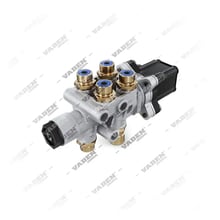
An axle lift valve is a pneumatic control component integrated into the air suspension systems of heavy-duty commercial vehicles. It automatically raises and lowers non-load-bearing axles depending on the vehicle's load state and road conditions. When empty or lightly loaded, the valve lifts selected axles to eliminate unnecessary rolling resistance; when loaded, it returns those axles to the road for balanced weight distribution. This mechanism cuts fuel consumption, extends tire lifespan, and improves handling and stability. Also called an axle load valve or air suspension lift valve, it is essential for trucks, tractors, trailers, and buses equipped with pneumatic braking and suspension systems.
How Axle Lift Valves Work
- Load-Responsive Lifting and Lowering: The valve monitors load conditions and automatically lifts unused axles when the vehicle is empty or partially loaded, reducing rolling resistance and fuel burn.
- Fuel Consumption Reduction: Fewer axles in contact with the road decreases rolling resistance, allowing the engine to operate more efficiently and deliver measurable fuel savings.
- Tire Wear Minimization: By lifting non-essential axles, the valve prevents premature tire degradation from unnecessary road contact, extending tire life and lowering maintenance costs.
- Enhanced Maneuverability: Lifting axles at turns and in tight spaces improves steering response and vehicle control, especially for articulated trucks and semi-trailers.
- Suspension and Frame Protection: The valve integrates with air suspension to balance load distribution, protecting the chassis and suspension components from excessive stress.
- Extended Axle and Suspension Lifespan: By reducing unnecessary wear and stress on non-load-bearing axles, the valve extends the service life of dingles, suspension systems, and related structures.
Axle Lift Valve Specifications
| Feature | Description |
|---|
| Operating Principle | Pneumatic (pressurized air) controlled lift / lower |
| Control Type | Manual / mechanical or electronic (sensor) controlled |
| System Integration | Works with air suspension systems |
| Applications | Trucks, tractors, trailers, buses — all air-suspended heavy commercial vehicles |
| Primary Function | Lift unloaded axles; re-engage them under load |
| Connections | Air hose and pneumatic line fittings |
| Compatibility | OEM-equivalent solutions for Mercedes-Benz, MAN, Scania, Volvo, DAF, Iveco, Renault, BMC, and Ford commercial vehicle systems |
| Material | Durable, wear- and air-leak-resistant housing |
Types of Axle Lift Valves and Related Components
- Manual / Mechanical Axle Lift Valve: Controlled by the driver or mechanical linkage; allows manual adjustment of axle lift timing.
- Electronic Axle Lift Valve: Works with sensors and electronic control modules to automatically manage axle positioning based on real-time load data.
- Air Hoses and Connection Fittings: Deliver pressurized air to the valve; proper sealing is critical for system efficiency and durability.
- Load Sensors: Monitor vehicle weight and transmit load information to the control module, enabling automatic axle management.
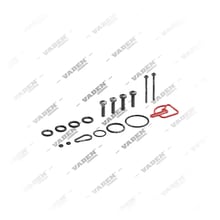
- Sealing Elements (Gaskets and Seals): Prevent air leaks and maintain valve efficiency; essential for reliable long-term operation.
Maintenance and Care of Axle Lift Valves
- Inspect Air Hoses Regularly: Check hoses for cracks, leaks, or visible wear and replace damaged sections immediately to maintain system integrity.
- Perform Air Leak Tests: Conduct periodic pressure and leak checks to ensure the system operates at full efficiency and detects slow air loss.
- Clean Hoses and Fittings: Remove accumulated dirt and debris from air lines and connections to maintain unrestricted airflow through the valve.
- Test Electronic Valves and Sensors: On electronically controlled systems, regularly verify that sensors respond correctly and electrical connections are secure.
- Lubricate Moving Parts: Apply appropriate lubricant to mechanical components to prevent friction and ensure smooth, trouble-free valve operation.
Common Axle Lift Valve Faults and Solutions
- Axle Does Not Lift or Lower: Fix: Inspect the valve's mechanical and electronic components; replace faulty parts with genuine OEM spares to restore full function.
- Air Leaks in the System: Fix: Check all hose connections and fittings for proper seals; tighten loose connections and replace damaged gaskets to stop pressure loss.
- Sensor or Electrical Connection Faults: Fix: Test sensors and wiring regularly in electronic systems; repair or replace failed connections and sensor units.
- Uneven Load Distribution and Suspension Issues: Fix: Verify that the valve operates correctly through routine system inspections; misalignment or wear requires professional diagnosis.
Why Choose VADEN ORIGINAL Axle Lift Valves
- Superior Durability: Manufactured from wear-resistant materials that withstand the demands of heavy commercial use and resist air leakage.
- Optimized Suspension Management: Delivers precise axle control tailored to varying load conditions for maximum efficiency and safety.
- Fuel and Tire Economy: Intelligent axle management cuts fuel waste and tire degradation, directly lowering operating costs.
- Extended Service Life: Robust construction and reliable performance reduce downtime and maintenance expenses over the component's lifespan.
- Broad OEM Compatibility: Engineered to match systems from Mercedes-Benz, MAN, Scania, Volvo, DAF, Iveco, Renault, BMC, and Ford for universal fitment and performance.
Frequently Asked Questions (FAQ)
What does an axle lift valve do?
An axle lift valve automatically raises and lowers non-load-bearing axles on heavy commercial vehicles based on weight and road conditions. When a truck is empty or lightly loaded, it lifts unused axles to reduce rolling resistance, fuel consumption, and tire wear. As load increases, it lowers the axles back to the road for balanced load distribution and proper suspension support.
How does an axle lift valve work?
The valve operates through a pneumatic (air pressure) system integrated with the vehicle's air suspension. It uses either manual controls, mechanical linkages, or electronic sensors to monitor the load state. Based on vehicle weight and load conditions, it directs pressurized air to lift or lower axles, automatically optimizing the number of axles in contact with the road.
What are the signs of a faulty axle lift valve?
Common symptoms include axles that fail to lift or lower properly, loss of air pressure in the suspension system, unresponsive electronic sensors, visible air leaks around hose connections, and uneven load distribution that affects steering and stability. If you observe these signs, have the valve and associated air lines inspected and tested by a technician.
Which vehicles use axle lift valves?
Axle lift valves are standard equipment on trucks, tractors, semi-trailers, and buses fitted with pneumatic air suspension systems. VADEN ORIGINAL provides compatible solutions for heavy commercial vehicles from leading OEMs including Mercedes-Benz, MAN, Scania, Volvo, DAF, Iveco, Renault, BMC, and Ford.
Does an axle lift valve really save fuel?
Yes. By lifting unloaded axles, the valve reduces the overall rolling resistance the engine must overcome, especially on empty or lightly loaded runs. This allows the engine to operate more efficiently and consume less fuel. Over the course of a year, the cumulative fuel savings can be significant for fleets operating multiple vehicles.
Why should I use an original axle lift valve?
Original-equipment and OEM-equivalent valves are designed and tested to exact specifications, ensuring reliable long-term operation and system compatibility. VADEN ORIGINAL axle lift valves are built from durable, air-leak-resistant materials and deliver consistent performance. Using quality parts protects your suspension system, maintains safety, and reduces future repair costs.
Conclusion
An axle lift valve is a vital component for optimizing fuel efficiency, minimizing tire wear, and maintaining suspension balance on heavy commercial vehicles. Regular maintenance and the use of quality, original-specification parts ensure your valve operates reliably and delivers the fuel and operational cost savings your fleet depends on. Choose VADEN ORIGINAL for proven durability, broad OEM compatibility, and performance-driven heavy-vehicle spare parts engineered for professional truck and logistics operators.