What Is an ECAS Solenoid Valve?
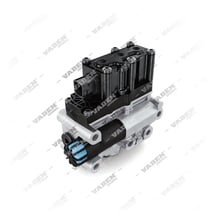
An ECAS solenoid valve is an electronically operated air valve that sits between the vehicle's air supply and the suspension's air springs, opening and closing on command from the Electronically Controlled Air Suspension (ECU) to add or vent air as needed. Instead of a fixed, mechanically set ride height, the ECU reads sensor data on load and road conditions and pulses the solenoid valve to inflate or deflate the bellows in real time, keeping the chassis level whether the vehicle is empty, fully loaded, or cornering. It's a core part of any ECAS setup found on modern trucks, tractor units, buses, and air-sprung trailers. Because ride height directly affects braking geometry, load distribution, and ride comfort, this small valve has an outsized impact on safety, fuel economy, and driver comfort. It's a commonly ordered spare part across heavy-vehicle fleets running Mercedes-Benz, MAN, Scania, Volvo, DAF, Iveco, Renault, BMC, and Ford chassis.
What Does an ECAS Solenoid Valve Do?
- Air Flow Control: Opens and closes on the ECU's signal to route the exact amount of air into or out of the air springs.
- Automatic Leveling: Adjusts bellows pressure on the fly so the vehicle reaches and holds its target ride height under any load.
- Load Balancing: Distributes air pressure evenly across axles so the vehicle stays stable regardless of cargo weight or distribution.
- Ride Comfort: Smooths out vibrations and road impacts by fine-tuning suspension pressure as conditions change.
- Fuel Efficiency: Maintains an optimal ride height that reduces drag and uneven tire wear, trimming fuel consumption.
- Safety & Stability: Keeps chassis height consistent, which supports predictable braking and handling at speed and in corners.
ECAS Solenoid Valve Specifications
| Specification | Detail |
|---|
| Part Group | Air Suspension / ECAS Electronics |
| Operating Principle | Electronically actuated solenoid valve controlling air flow to/from the air springs |
| Application | Trucks, tractor units, buses, and trailers with air suspension (ECAS) |
| Control Signal | ECU-triggered electrical command (inflate/deflate/hold) |
| Housing Material | Vibration- and pressure-resistant sealed housing |
| Compatibility | Production range covering Mercedes-Benz, MAN, Scania, Volvo, DAF, Iveco, Renault, BMC, and Ford heavy-duty applications |
| Brand | VADEN ORIGINAL |
Types of ECAS Solenoid Valves
- Single-Circuit Valves: Control air flow to a single air spring or axle group for basic leveling functions.
- Multi-Circuit / Block Valves: Combine several solenoid valves in one manifold to manage multiple axles or air spring circuits together, common on tractor units and multi-axle trailers.
- Lift-Axle Control Valves: Manage air supply to lift axles, raising or lowering them as load and regulations require.
- OE-Matched Connector Variants: Supplied with connector, port, and mounting configurations matched to specific chassis and ECU platforms for a direct fit.
ECAS Solenoid Valve Maintenance
- Visual Inspection: Check the valve body, air ports, and electrical connector for cracks, corrosion, or oil residue at every service interval.
- Air Leak Check: Listen and feel for hissing or air loss around fittings and seals, which points to a failing valve or worn O-ring.
- Connector & Wiring Check: Inspect the electrical connector and harness for corrosion, chafing, or moisture ingress that can cause erratic valve operation.
- Function Test: Use diagnostic tools to trigger the valve and confirm it opens and closes cleanly on command.
- Scheduled Review: Have the valve and surrounding air lines checked by a qualified technician at each major service, or sooner if leveling issues appear.
Common Faults & Fixes
- Vehicle Won't Level Correctly: A sticking or worn valve fails to release or admit air properly; inspect the valve and its control signal, replace if it doesn't respond cleanly.
- Air Leakage: Worn seals or a cracked housing let air escape, dropping system pressure; locate the leak with soapy water and replace the valve if it's the source.
- Dashboard Warning Light: The ECU flags a valve or circuit fault when the electrical signal is missing or out of range; scan the system and check wiring before condemning the part.
- Uneven Ride Height Side-to-Side: One valve not actuating correctly throws off leveling on that corner; test each valve individually against ECU commands.
- Slow or No Response to Leveling Commands: Internal wear or debris can restrict the valve's solenoid action; clean connections and replace the valve if response remains sluggish.
Why Choose VADEN ORIGINAL ECAS Solenoid Valves?
- OEM-Standard Manufacturing: Built to original equipment specifications for accurate, drop-in performance.
- Durable Construction: Sealed housings and robust internals withstand the vibration, pressure cycling, and road debris of daily heavy-duty operation.
- Broad Vehicle Coverage: Application range spans Mercedes-Benz, MAN, Scania, Volvo, DAF, Iveco, Renault, BMC, and Ford trucks, buses, and trailers.
- Precise, Fast Response: Clean solenoid actuation keeps the ECAS system responsive and ride height consistent.
- Technical Support: Guidance available on correct part selection, fitment, and diagnostics after installation.
Frequently Asked Questions (FAQ)
What is an ECAS solenoid valve and what does it do?
It's an electronically controlled air valve that adds or releases air in the suspension's air springs on command from the ECU, keeping the vehicle level under any load.
What are the symptoms of a bad ECAS solenoid valve?
Common signs include the vehicle sitting unevenly or at the wrong ride height, an air suspension warning light on the dashboard, audible air leaks, and slow or unresponsive leveling.
Can I drive with a faulty ECAS solenoid valve?
Short distances at low speed are usually possible, but the vehicle should be checked as soon as possible since incorrect ride height affects braking geometry, load stability, and handling.
How often should the ECAS solenoid valve be inspected?
It's good practice to check the valve, air lines, and connector at every scheduled service interval, or immediately if a suspension warning light or leveling issue appears.
Does a solenoid valve need diagnostic checks after replacement?
Yes. After fitting a new valve, it's worth running a diagnostic function test to confirm it opens and closes correctly on the ECU's command and that ride height settles as expected.
Which trucks and trailers use ECAS solenoid valves?
They're standard on air-suspended trucks, tractor units, buses, and trailers from manufacturers such as Mercedes-Benz, MAN, Scania, Volvo, DAF, Iveco, Renault, BMC, and Ford.
Conclusion
The ECAS solenoid valve is a small part with a big job: directing air flow so heavy-duty suspension stays level, stable, and safe under every load condition. A failing valve shows up quickly as poor leveling, air leaks, dashboard warnings, or an uneven ride, and catching it early protects the rest of the suspension and braking system from added wear. Choosing a precision-built replacement and confirming correct operation after installation keeps the system working as designed. VADEN ORIGINAL ECAS solenoid valves deliver OEM-standard accuracy and durability across a wide range of heavy-vehicle applications, making them a dependable choice for fleets and workshops alike.
Related technical guide: ECAS Solenoid Valve · Download PDF
Related articles: ECAS Solenoid Valves: The Precision Control Point for Heavy-Duty Air Suspension
Related technical guide: ECAS Solenoid Valve: Faults, Replacement & Maintenance Guide